

Insurance is not just a line item in a pro forma. It is a direct reflection of how a property, and the market around it, are perceived from a risk standpoint. For real estate investors, especially those building portfolios in markets like Memphis, understanding how insurance risk is evaluated can influence everything from acquisition strategy to long-term returns. It should be considered early in the process, alongside location, construction quality, and management approach, because it plays a meaningful role in protecting performance and maintaining stability over time.
In reality, insurance carriers are constantly evaluating and re-evaluating risk at multiple levels. Premiums, coverage availability, and underwriting decisions are all influenced by how a property—and its surrounding market—is perceived from a risk standpoint.
For investors in Memphis and the surrounding submarkets, understanding how insurance risk is assessed is not just helpful. It is essential to making informed decisions about where to invest, what to buy, and how to protect long-term returns.
How Insurance Risk Is Assessed in Real Estate Markets
Insurance carriers do not price policies arbitrarily. They rely on layered risk models that evaluate both macro and hyper-local conditions. These models are built around several core categories.
Geographic risk is one of the most obvious factors. This includes exposure to natural disasters such as hurricanes, flooding, wildfires, and earthquakes. Memphis stands out in this category because it is not a coastal market and is not exposed to hurricane or wildfire risk in the way many other U.S. markets are. While no market is risk-free, the relative stability of weather patterns in the Memphis region is one of the reasons it continues to attract long-term investors.
Crime data also plays a role in underwriting decisions. Carriers analyze claim frequency tied to theft, vandalism, and liability exposure. However, it is important to understand that this is not evaluated broadly at the city level alone. Insurance models typically assess risk at a much more granular level.
Economic conditions are another major factor. Employment stability, wage growth, and overall economic health influence not only tenant reliability but also claim patterns and repair timelines. Markets with stable employment bases tend to produce more predictable insurance outcomes.
Regulatory environment matters as well. State laws governing insurance, required coverages, and litigation trends all impact how carriers price risk. Tennessee and Mississippi are generally considered more stable, business-friendly environments compared to more heavily regulated states, which can help maintain competitive insurance markets.
Industry trends also influence pricing. Rising construction costs, labor shortages, and supply chain disruptions have increased the cost of repairs nationwide. Insurance carriers adjust premiums accordingly to reflect these realities. Advances in technology, including smart home systems and monitoring tools, are also beginning to play a role in how risk is evaluated and mitigated.
According to data from the Insurance Information Institute, replacement costs and claims severity have increased significantly in recent years due to inflation in materials and labor, making proactive property management and risk mitigation even more important for investors.
Why Insurance Risk Is Hyper-Local, Not Just Market-Wide
One of the most common mistakes investors make is evaluating insurance risk at too broad a level. Looking at a state, city, or even a ZIP code alone does not provide enough clarity.
In practice, insurance risk is evaluated at a much more granular level, often down to specific neighborhoods or even individual blocks. The same is true for real estate performance more broadly.
Key variables that carriers analyze at this level include:
- Crime density in a specific area rather than city-wide averages
- Proximity to fire stations and emergency services
- Historical loss data for nearby properties
- Age and condition patterns of surrounding homes
- Flood zone overlays and drainage conditions
- Theft and fraud frequency in a given area
- Local repair cost trends and contractor availability
From an investor’s perspective, this means that two homes in the same city—or even the same ZIP code—can carry very different insurance profiles.
As Pamela Karnes of The Mike Dyer Agency at The Liberty Company Insurance Brokers explains, the most effective way to evaluate insurance risk is not by broad geography, but by understanding the specific micro-market conditions that drive underwriting decisions.
This aligns closely with how experienced operators approach real estate investing. At Meridian, we focus heavily on hyper-local market selection because the same factors that drive rental performance also influence insurance outcomes.
For investors, the takeaway is clear: insurance risk should be evaluated at the same level of detail as the investment itself.
How Memphis Submarkets Compare from an Insurance Perspective
Within the Memphis metro area, not all submarkets are viewed equally from an insurance standpoint. While the broader region benefits from relatively stable geographic risk, differences at the submarket level still matter.
One of the key strategies, as highlighted by local insurance experts, is to anchor portfolios in stable, proven submarkets.
Areas such as DeSoto County in Mississippi—including Olive Branch and Horn Lake—as well as Cordova in Tennessee are often considered strong “insurance anchors.” These areas tend to offer more consistent loss histories, stable premium levels, and stronger carrier relationships.
From an insurance standpoint, Pamela emphasizes building a portfolio with intentional geographic balance rather than treating all submarkets equally. She recommends anchoring investments in areas like DeSoto County and Cordova, where consistent loss history, stable premiums, and strong carrier relationships help create a more predictable insurance profile over time. Within Memphis, her guidance is to be highly selective—focusing on proven micro-markets, stable blocks, and locations near established infrastructure such as healthcare, employment centers, and retail corridors, rather than making decisions based on ZIP codes alone.
In more rural areas like Byhalia and Fayette County, she advises taking a more proactive approach to risk management. This includes upgrading key components like roofing, adding security measures, maintaining clear access for emergency services, and thoroughly documenting property improvements. These steps can materially improve how underwriters evaluate a property and help maintain favorable coverage and pricing.
From an underwriting perspective, these markets provide predictability. They typically have newer housing stock, organized infrastructure, and consistent maintenance standards, all of which contribute to lower perceived risk.
Other markets, such as Oakland and Somerville in Tennessee, as well as Byhalia and parts of Fayette County, can also perform well but require a more deliberate approach. These areas may present different risk dynamics, particularly around rural infrastructure, fire response times, and property-level variables.
In these markets, risk management becomes more important. Strategic upgrades—such as newer roofing systems, proper drainage, documented maintenance, and enhanced security measures—can significantly improve how a property is viewed by underwriters.
Memphis itself requires a more surgical approach. Broad, city-level assumptions are not sufficient. Strong investment performance and favorable insurance outcomes depend on selecting proven micro-markets, stable blocks, and locations near key economic anchors such as employment centers, healthcare systems, and retail corridors.
For investors, this reinforces an important principle: location selection is not just about rent and appreciation. It directly impacts insurance cost, coverage availability, and long-term asset protection.
As Brian Conlon often notes, successful investing is about stacking advantages. When location, construction quality, and property management all align, the result is a more resilient investment overall.
How Investors Can Actively Reduce Insurance Risk
While some aspects of insurance risk are tied to location, many variables are within an investor’s control.
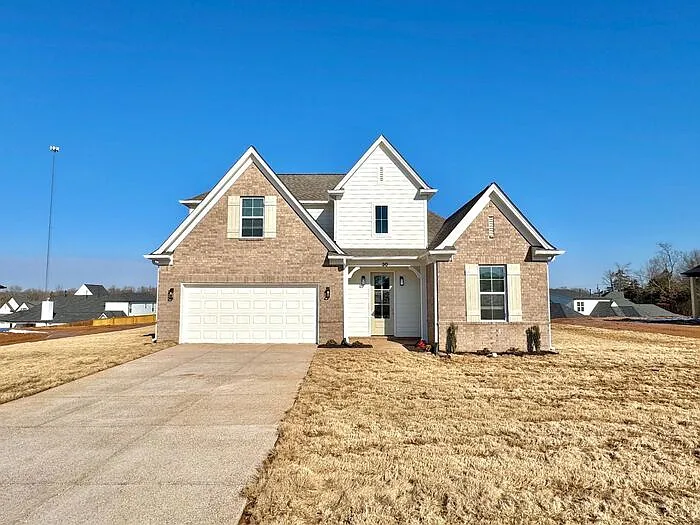
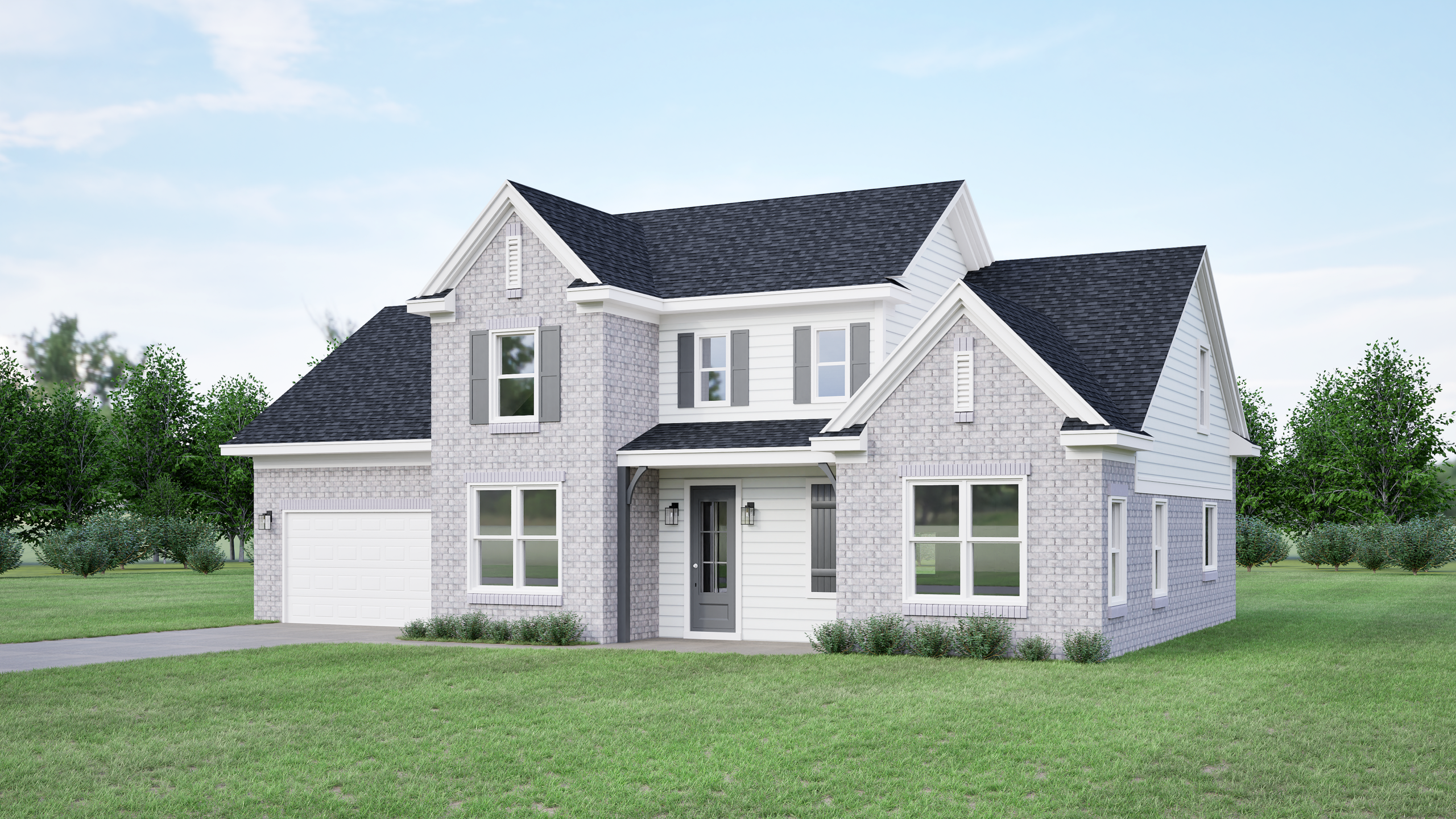
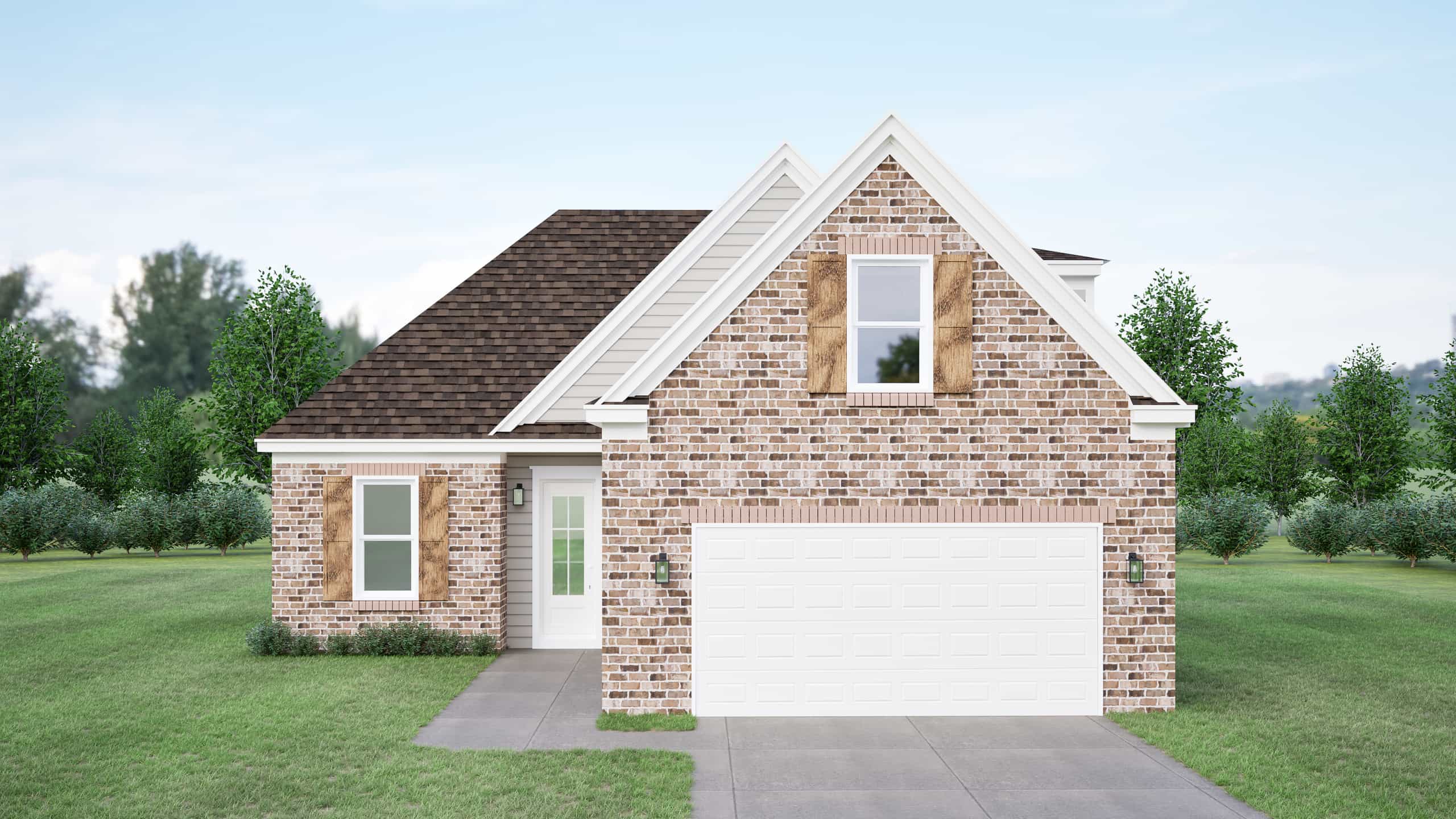
Property condition is one of the most important. New construction homes, such as those built by Meridian, generally perform well from an insurance standpoint because they meet current building codes, use updated materials, and have lower immediate maintenance risk. Roof age, electrical systems, plumbing, and HVAC all play a role in how a property is underwritten.
Preventative maintenance is equally important. Regular inspections, system servicing, and timely repairs help reduce the likelihood of claims. This is one of the reasons Meridian places such a strong emphasis on structured inspection programs. Early detection of issues not only protects the home but also helps maintain a more favorable risk profile over time.
Documentation also plays a critical role. Insurance carriers and claims adjusters rely heavily on records. Detailed inspection reports, maintenance logs, and photo documentation help establish property condition, demonstrate responsible ownership, and support claims when needed.
There are also strategic upgrades that can improve insurability. Impact-resistant roofing materials, modern HVAC systems, updated electrical panels, and monitored security systems can all positively influence underwriting decisions.
In certain markets, particularly more rural areas, maintaining clear access for emergency services and ensuring proper water supply for fire response can also be important considerations.
For investors building or acquiring portfolios, working with experienced local teams is one of the most effective ways to manage these variables. Understanding how insurance carriers view different areas—and how to position properties accordingly—can make a meaningful difference in both cost and coverage.
The Bottom Line: Insurance Is a Core Part of Investment Strategy
Insurance should not be treated as a passive expense. It is an active component of investment performance.
The same factors that drive strong rental performance—location quality, property condition, and professional management—also contribute to more favorable insurance outcomes.
Memphis continues to stand out as an attractive market for investors in part because of its relative stability from a geographic risk standpoint. But within the market, outcomes vary based on submarket selection and property-level execution.
For investors focused on long-term results, the goal is not just to find properties for sale or generate rental income. It is to build a portfolio that is resilient, well-managed, and positioned to perform across market cycles.
That includes understanding insurance risk, managing it proactively, and aligning with teams that treat it as a core part of the investment strategy.
At Meridian, that philosophy is built into how we select locations, construct homes, and manage properties. It is not a single decision point. It is an ongoing process designed to protect the asset and support more predictable outcomes for investors.
Sources
Pamela Karnes, The Mike Dyer Agency, The Liberty Company Insurance Brokers, LLC
Insurance Information Institute – Replacement Cost and Inflation Trends
https://www.iii.org/article/replacement-cost-inflation
National Association of Insurance Commissioners – Understanding Homeowners Insurance
https://content.naic.org/consumer/homeowners-insurance.htm
Federal Emergency Management Agency – Flood Map Service Center
https://msc.fema.gov/portal/home
U.S. Bureau of Labor Statistics – Producer Price Index for Construction Materials
https://www.bls.gov/ppi/
CoreLogic – Natural Hazard Risk Summary
https://www.corelogic.com/intelligence/natural-hazard-risk-report/
Please Share This Article
If you enjoyed this article, please share it. We appreciate your support and referrals.
Talk To The Author
Brian Conlon is the Director of Business Development at Meridian Pacific Properties. With years of experience in real estate investing and turnkey property management, Brian specializes in helping investors optimize cash flow, plan for long-term property performance, and navigate the complexities of real estate investing.
Schedule a consultation with Brian to learn more about investing in SFR investment properties.










 Builder Incentives
 Premium Property Access
 Advanced ROI Calculator
 The Investor Newsletter
 More!
More!