
For many real estate investors, property management is often judged by what happens when something goes wrong: a maintenance issue, an unexpected turnover expense, or a resident complaint. But some of the most important drivers of long-term returns happen before problems ever become visible.
That is where a disciplined inspection program matters.
In single-family rental investing, especially with premium homes and newer construction, protecting performance is not just about collecting rent and responding to service calls. It is about creating a system that keeps a close pulse on property condition, resident experience, and potential risks before they become costly issues.
A well-run inspection process can help reduce deferred maintenance, extend the life of major systems, improve documentation, support smoother renewals and turnovers, and protect the owner’s bottom line. Industry best practices increasingly point to routine inspections and preventative maintenance as key drivers of better asset performance over time.
At Meridian, we view inspections as a core part of protecting investor assets. Our approach is built around the belief that property management should be proactive, not reactive. For investors who care about preserving their home, limiting surprises, and maintaining strong long-term returns, that distinction matters.
Why Proactive Rental Inspections Protect Returns
Rental properties are living assets. Even in newer homes, systems wear down, filters get neglected, small leaks can go unnoticed, and routine use creates wear that compounds over time.
The problem for investors is that many of the most expensive issues do not begin as major repairs. They begin as small issues that were missed:
- HVAC systems running inefficiently because filters were not changed
- Dryer vents building up lint and becoming safety concerns
- Minor plumbing leaks slowly causing damage
- Exterior drainage or landscaping issues creating preventable wear
- Residents unintentionally overlooking routine upkeep responsibilities
When these issues go undetected, they can turn into larger repair costs, more extensive turnover work, or even vacancy-related losses.
Preventative maintenance and regular inspections help interrupt that cycle. Property management experts consistently note that scheduled inspections and maintenance are among the most effective ways to reduce emergency repairs, improve system lifespan, and create more predictable operating costs. HVAC filter changes, equipment checks, and safety testing are especially important because they directly impact some of the highest-cost components in a home.
This is especially important in single-family rentals because each home is a standalone asset. Unlike multifamily properties where maintenance teams may be onsite daily, single-family homes require intentional systems to stay ahead of issues.
For investors, the value is simple: fewer surprises, better preservation of finishes and systems, and lower long-term ownership costs.
A Better Inspection Strategy Improves More Than Maintenance
A strong inspection program does more than protect the physical property. It also improves communication, accountability, and the resident experience.
One of the biggest misconceptions in rental property management is that inspections are only about enforcement. In reality, when handled professionally, inspections can improve the experience for everyone involved.
Routine inspections help property managers:
- identify maintenance needs early
- answer resident questions about care and responsibilities
- educate residents on how to better maintain the home
- verify lease compliance and occupancy standards
- build stronger working relationships with residents
- improve documentation in the event of future disputes
This matters because resident communication has a direct impact on property performance. When residents understand expectations and feel supported, they are more likely to report issues early, care for the home responsibly, and renew their lease.
As Brian Conlon, Meridian’s Director of Business Development, explains, “Our goal is not just to respond when something breaks. It is to create systems that help us stay ahead of problems, protect the home, and make the ownership experience more predictable for our investors.”
That philosophy is especially important in Memphis and the broader MSA, where weather swings, seasonal HVAC demands, and long-term wear patterns make routine oversight essential.
For out-of-state investors, this is even more valuable. Most Meridian clients are not local. They rely on experienced teams to act as their eyes and ears on the ground. A consistent inspection process gives owners more transparency and confidence that their property is being monitored carefully.
How Meridian’s Inspection Process Helps Protect Investor Homes
At Meridian Property Management, inspections are not treated as a one-time event. They are built into a structured lifecycle process designed to support the home from move-in through renewal and eventual turnover.
Our inspection program is designed to help protect both the condition of the home and the quality of the resident experience.
Move-In Documentation and Baseline Protection
Every home begins with a detailed move-in inspection completed by the leasing team through zInspector. This creates a documented baseline condition before occupancy begins.
Residents are also encouraged to complete their own move-in documentation through zTenant. This creates added transparency and helps establish expectations from day one.
For investors, this matters because accurate move-in documentation helps protect against future disputes and creates a clear record of property condition.
Early In-Person Follow-Up at Six Months
One of the most important parts of our process is the six-month in-person inspection after move-in.
This early check-in allows our property management team to:
- identify maintenance or care concerns before they worsen
- answer resident questions about systems and responsibilities
- review the home’s interior and exterior condition
- address any emerging issues while they are still manageable
This is a key differentiator. Many management companies wait until lease renewal or only respond to service requests. By then, small issues may already have become more expensive.
Our six-month inspection helps us establish an early pulse on how the home is being maintained and whether proactive intervention is needed.
Preventative Maintenance Inspections for Major Systems
Our maintenance team also performs preventative maintenance inspections on a biannual basis, generally alternating with annual property management inspections.
These inspections focus on critical systems and recurring maintenance items, including:
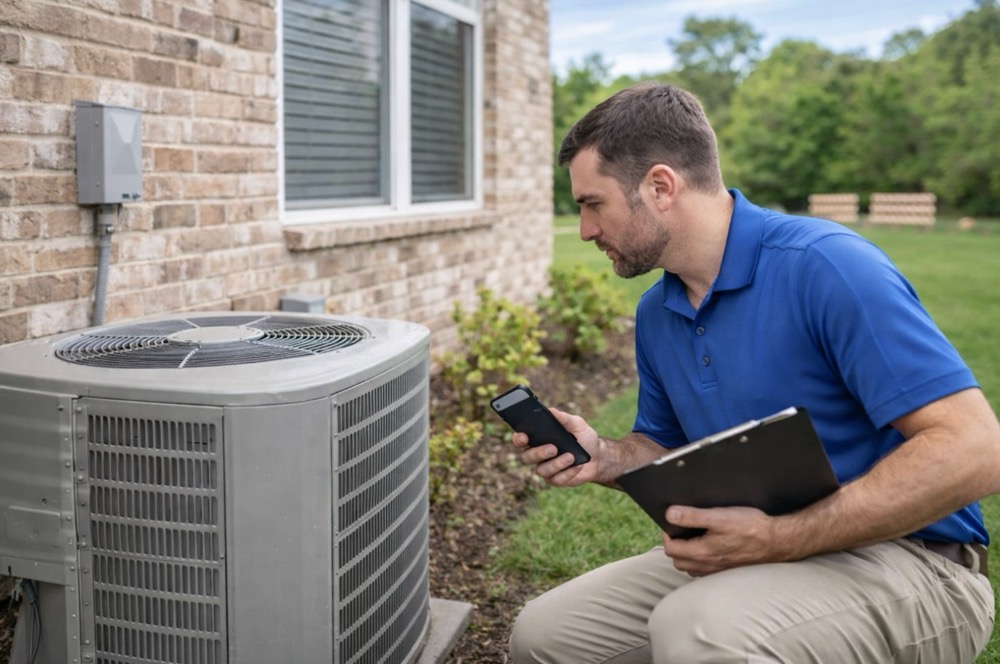
- HVAC condensing unit cleaning
- HVAC filter replacement
- thermostat battery checks
- hot water heater review
- dryer vent inspection
- smoke detector battery replacement as needed
These tasks may seem routine, but they can make a meaningful difference in preserving major systems and reducing avoidable service calls.
For investors, this supports both asset protection and operating efficiency.
Virtual Resident Inspections and Ongoing Visibility
To maintain visibility between in-person visits, Meridian also uses resident virtual inspections through zTenant.
These inspections allow residents to:
- provide updated interior and exterior photos
- document HVAC filter condition
- report unresolved concerns
Our team reviews all submissions. If anything raises concern, we can schedule an in-person follow-up.
This adds another layer of oversight without creating unnecessary disruption for residents.
Annual In-Person Inspections and Renewal Oversight
After the six-month inspection, annual in-person inspections continue throughout occupancy.
These inspections help us:
- monitor interior and exterior condition
- identify deferred maintenance
- verify occupancy compliance
- address potential lease issues early
Before lease renewal, our leasing team also completes renewal inspections to assess whether the home and tenancy remain a good fit moving forward.
Together, these touchpoints help reduce surprises at renewal and turnover.
Why Documentation and Systems Matter for Investors
Inspection quality is only as good as the documentation behind it.
That is why Meridian uses zInspector and zTenant, with all reports automatically uploaded into AppFolio. Inspection records are centralized, time-stamped, and tied directly to the property file.
This creates important benefits for investors:
- better transparency
- stronger maintenance tracking
- more accurate turnover assessments
- cleaner accountability if issues arise
Detailed reporting matters because it helps remove guesswork. When owners can clearly understand property condition over time, they can make better decisions and feel more confident in the management process.
In single-family rental investing, long-term performance often comes down to consistency. Strong homes in solid locations matter, but disciplined operations matter too.
At Meridian, our inspection policy reflects the same philosophy behind our broader approach to investing: protect the asset, think long term, and stay proactive wherever possible.
For investors, that means fewer surprises, better control, and a management process designed to support stronger results over time.
A strong inspection program is also critical from a documentation and compliance standpoint. Rental housing involves important recordkeeping requirements tied to habitability, maintenance response, safety items, lease enforcement, and security deposit accounting. Clear, time-stamped inspection reports help create an accurate history of property condition, maintenance needs, and resident communication over time.
This matters for investors because good documentation supports better decision-making and can help reduce disputes related to repairs, damages, lease compliance, or move-out charges. It also helps ensure that required maintenance and safety items are not overlooked. In a professionally managed portfolio, consistent reporting is not just an operational best practice. It is an important part of protecting the asset, supporting accountability, and helping owners navigate the legal and practical responsibilities that come with long-term rental ownership.
Sources
The Ultimate Guide to Rental Property Maintenance (2025)
www.rentalriff.com/the-ultimate-guide-to-rental-property-maintenance
How to Maintain Your Rental Property
spectrumrealtypm.com/rental-property-maintenance/
Maintaining Rental Properties with Preventative Maintenance
propertymeld.com/blog/maintaining-rental-properties-with-preventative-maintenance/
Triple Win Property Management Blog – Routine Inspections
www.secondnature.com/blog/tag/maintenance
California Rental Property Maintenance Checklist
bfpminc.com/california-rental-property-maintenance-checklist/
Ultimate Rental Property Maintenance Checklist 2025
join.globalvacationrentals.com/blog/rental-property-maintenance-checklist/
Property Management and Maintenance: Win 2025!
withdirectexpress.com/property-management-and-maintenance/
Please Share This Article
If you enjoyed this article, please share it. We appreciate your support and referrals.
Talk To The Author
Brian Conlon is the Director of Business Development at Meridian Pacific Properties. With years of experience in real estate investing and turnkey property management, Brian specializes in helping investors optimize cash flow, plan for long-term property performance, and navigate the complexities of real estate investing.
Schedule a consultation with Brian to learn more about investing in SFR investment properties.









 Builder Incentives
 Premium Property Access
 Advanced ROI Calculator
 The Investor Newsletter
 More!
More!